Your Custom Text Here
Freebie: 5 Kids Yoga Games for the Summer
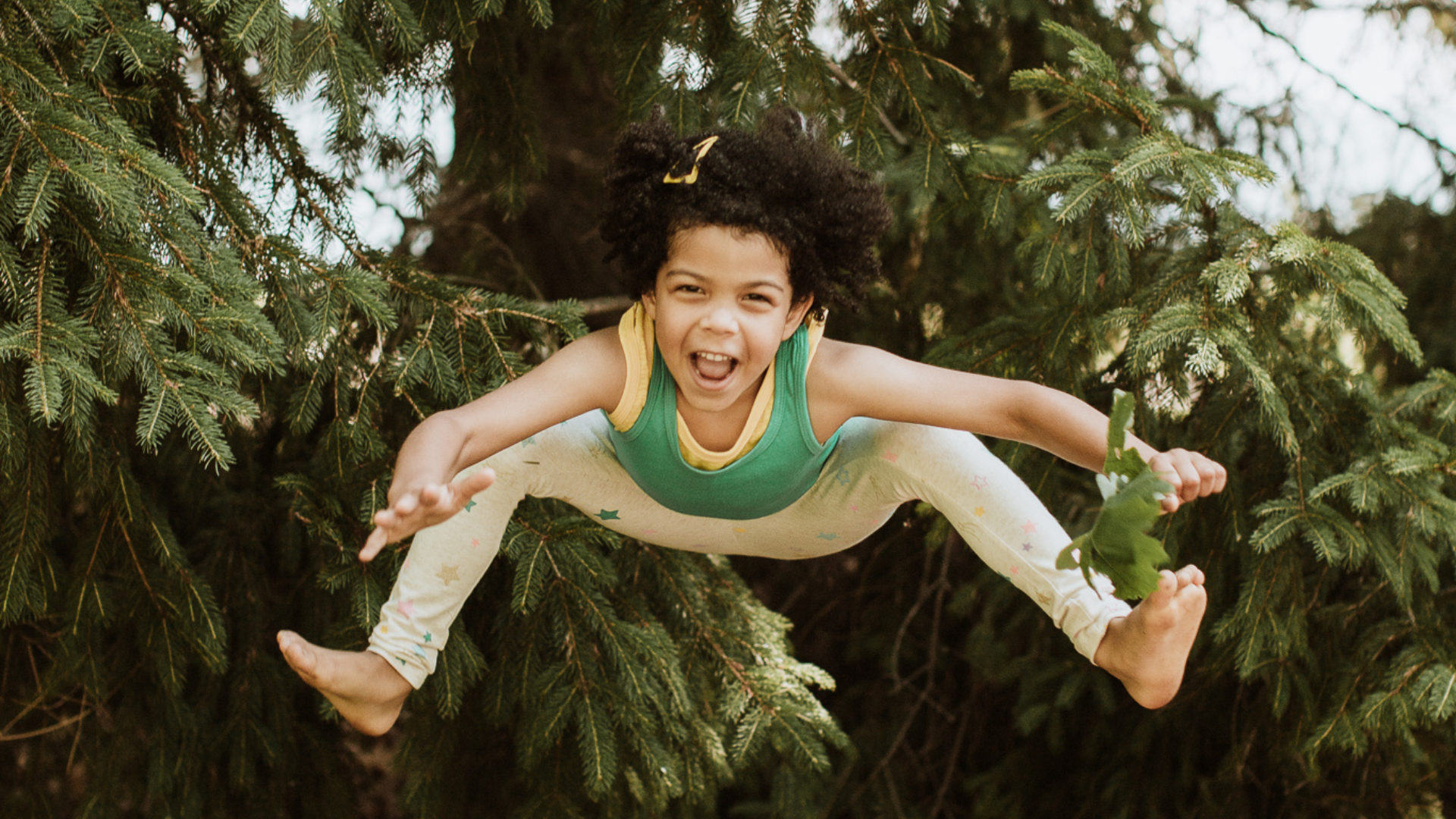
School’s out for summer and we’ve got five free kids yoga games you can bring out anytime the afternoon feels like it’s dragging or one of your kids says “I’m boooored.”
1) Yoga Freeze Dance: Play fun music and have your kids dance around. When the music stops everyone strikes a yoga pose. To add challenge, every time you pause the music they have to do a different yoga pose and if it matches someone else, they're out!
2) Act Like An Animal: Using some animal crackers, small toys or animal cards, draw them out of a box/bag/spread and whatever one you get you become that animal. If they know the pose, great! If they don't, tell them to move like that animal (ex: tigers pounce, or gorillas use their fists as legs to move around)
3) Mirror Game: In pairs, decide who is the leader. The leader moves their body slowly at first (can do poses or not!) and the other person mirrors their movements. Going slow first is important to establish a rhythm and make it achievable. As you get comfy you can do fake outs or make it harder. The goal is for the partner to be able to successfully follow! Switch! BONUS CHALLENGE: Hold a stick or dowel between your two bodies for extra connection!
4) Yoga Dice: Using any dice in your home, have the kids roll it and the number that comes up is the number of limbs/body parts that touch the floor!
5) Pass the Squeeze: An Appleseed favourite! Sit in a circle with everyone holding hands. One person thinks of something. It's good to have a reference for this as opposed to pulling anything out of thin air. Ex: someone we hung out with this week, or a dinner we had this week, or something that is in this room. The person with the thing in mind "sends" it through a hand squeeze to the next person and they continue to "pass" it along. When it gets to the last person they say what came to them. Often it's correct!
I hope these games provide your family and summer with a little ease. And if summer isn't your vibe, I wish you a swift countdown to fall alongside me.
Free Tween Yoga Lesson Plan: Friendships
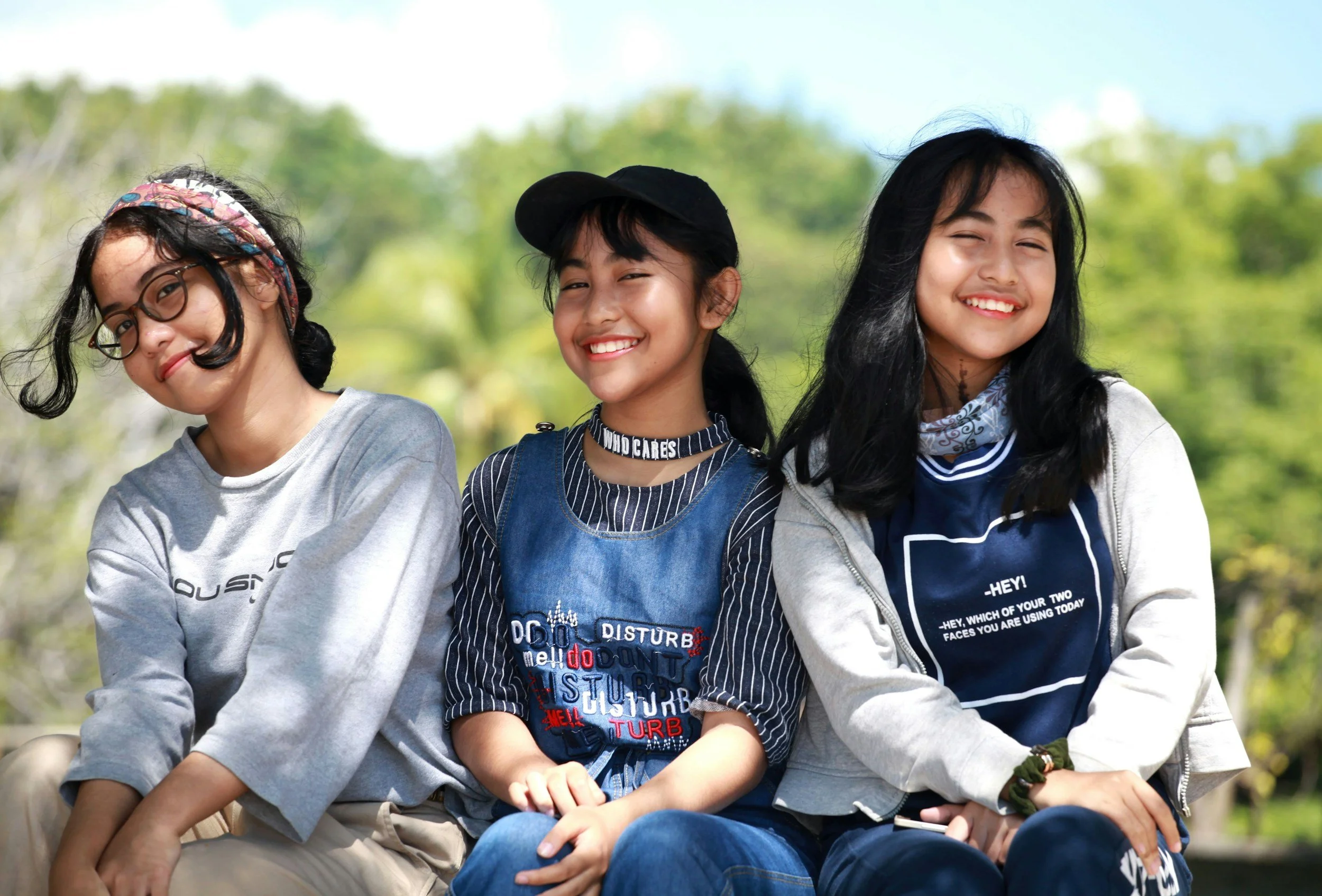
Relationships are BIG with tweens (kids aged 8/9-12 years old). They are growing up and out of the sandbox-era of friendship and learning how to navigate more types of relationships and connections with their peers, families, teachers, teams, and communities (both online and off).
They are figuring out what it means to be a friend. Who is their bestie vs someone they know casually from school or soccer? Who can they trust to be themselves with or who can they go to with a problem?
It’s a time of highs and lows; and yoga can help guide them through these questions and transitions. Helping them stay connected to their true selves and share that with their friends.
That’s why we created this FREE Tween Yoga class plan for you on Tween Friends, Friends+ and Partners.
In this class you will focus on:
Rest and checking in with thoughts and feelings
Lots of fun partner poses to deepen connections amongst students
Breathwork to calm the body and mind
You can download the full free tween yoga class plan here.
What In-School Yoga Means with Appleseed
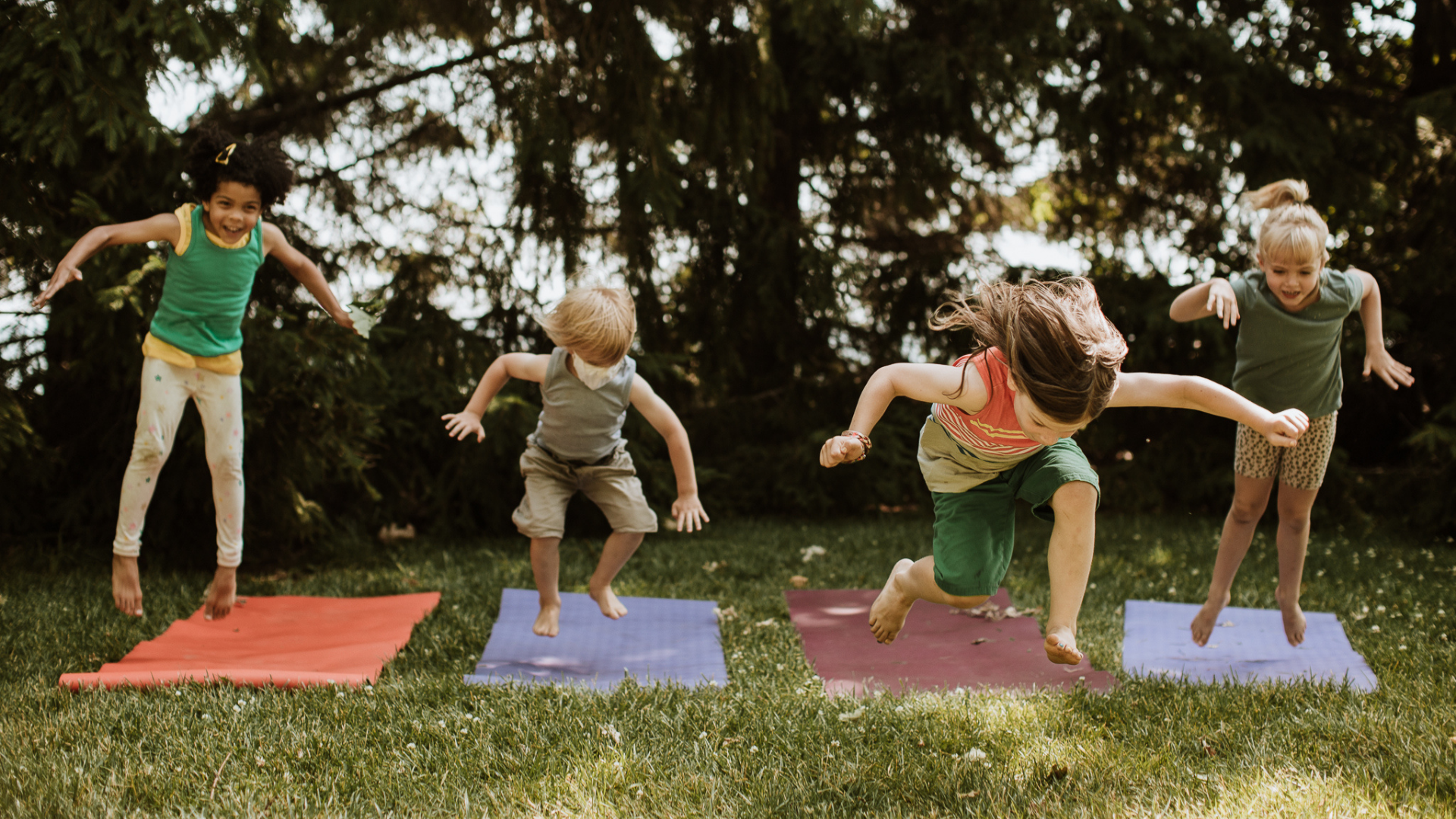
Appleseed's kids yoga classes surely aren't for everyone.
Case in point: A few years ago I had a school call me and say: "Please cancel our contract. We don't want bubbles and stories, we want yoga." This was for a class of 2.5-4 year olds.
Or maybe you recently read my experience at a private school that was shocking and awful.
I learned fast while running this business that I wasn't going to appeal to everyone, and that it's actually GOOD that I don't. Appleseed is cut and dry in our approach to teaching kids yoga. Our team is unified in our goal and we offer one solid program very well. When it comes to yoga for kids in schools, let me outline what you are getting with us.
What Classroom Yoga IS NOT:
solely a physical workout or exercise class
a time where we expect extremely strict behaviour
kids staying on their mat for all of class
rigid pose sequences
the teacher bringing a mat for each child and setting them up
What Classroom Yoga IS:
focused heavily on storytelling, imagination and play
developmentally appropriate for each age group
full of props and games that engage the kids and get them inspired to move intrinsically (see my recent writing on intrinsic motivation here)
a time where we connect with other students through activities that encourage teamwork, communication and social connection
a time where kids get to be themselves and let their unique identities shine and be honoured
a place where we respect bodies in all shapes and sizes and help them to feel good
where kids learn that exactly who they are in the moment is beautiful and all they ever need to be
If you are looking for a workout class for your PE period, I want you to know our classes aren't it. Our classes are full of movement and kids are sweaty and exhausted after them, but the goal for us is not a workout. Our goal is connection and presence and bringing kids back into their bodies because they rarely have a space in their lives where they can do that.
We have very limited availability for Summer 2026 and are taking bookings for Fall 2026 now. If your school wants in, visit this link.
Infant Yoga in Your Daycare
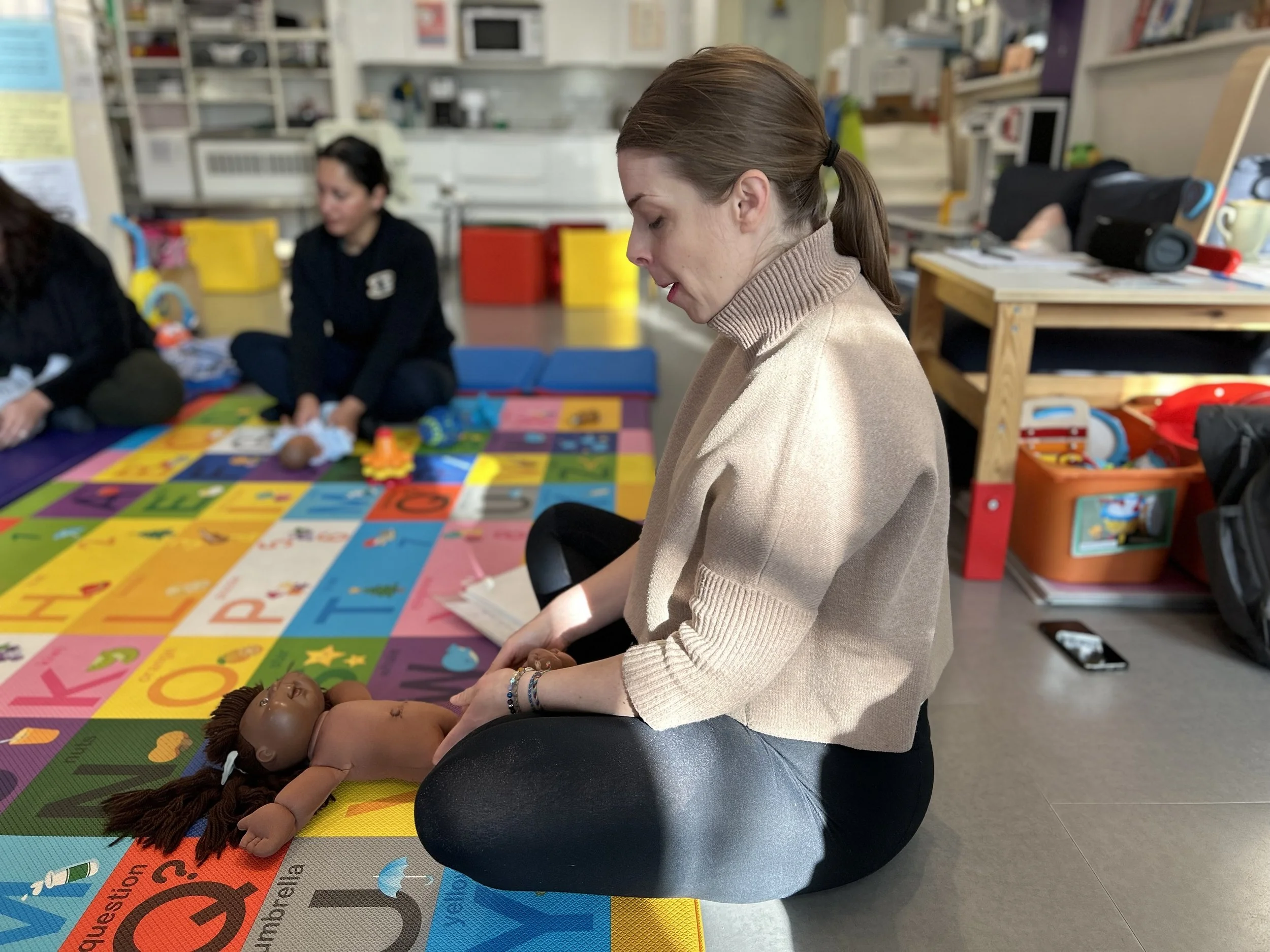
Yoga is for absolutely everyone—even babies! And at Appleseed Yoga for Kids, we take an extra special approach to teaching yoga to infants.
School administrators are often shocked when I tell them we teach yoga to infants. In fact, one told me the other day it was “definitely not possible since of course it couldn't be developmentally appropriate.”
This couldn’t be further from the truth. Babies are natural yogis, living completely in their bodies and the present moment. There is so much we can learn from them and the way they experience the world.
At Appleseed, our infant yoga classes take a workshop-style approach, where caregivers are just as important as the infants. If there is an outgoing and gregarious infant in the room who feels comfortable with strangers (it happens!) our teacher will connect with them and invite them to sit in their lap. If they are willing, the teacher will use them to demo poses. If not, we use a doll.
Our baby yoga teachers will:
Help clear and prep your space for practice
Sing and connect with each baby and their caregivers
Demonstrate movements and stretches for both babies and their caretakers to support digestion, crawling, walking, rest, and more!
What does an infant yoga class look like?
Here is an example of a baby yoga class you can expect when booking Appleseed Yoga at your daycare:
Heart Warm Touch - caress baby from head to toe, welcoming them into the room and letting them know yoga time is starting
Neck Rolls for the adult - Hands gently resting on baby she encourages the caregiver to gently enjoy some neck rolls to release tension
Baby Massage Time! Doing a dry massage technique on top of clothing, the teacher gently massages baby from head to toe getting the blood moving through the body.
Hip Sequence: (Teacher ideally has babies lying on back with feet facing the caregiver)
hands go to baby's feet and push knees to ribs firmly, repeat with one side, then the other
put baby's legs into lotus pose
bring soles of the feet together for a nice stretch in butterfly
holding the ankles only, lift baby's hips slightly off the floor and then drop them back down gently
Standing Sequence:
Caregivers learn safety hold (baby's tummy faces the ground, one hand on farside armpit, on hand on diaper)
Bounces in safety hold
Gentle swings in safety hold
See-saw in safety hold
Spiral lifts in safety hold
Rest: Your Appleseed Yoga teacher will put on gentle soft music. Caregivers are encouraged to lay down the babies and then they lay down themselves and take a little rest.
The teacher closes class with a little ritual of song and movement and thanks everyone for being there.
Our Infant yoga classes run for 30 minutes, as with all our other in-classroom programs. We've had rave-reviews of them, especially since administrators have a hard time finding activities for infants to do. One of our schools said this:
We loved that the daycare classes could be geared to all age groups—including infants!
Ready to book us for your infant class? Fill out this form.
Free Kids Yoga Lesson Plan: Stop Climate Change
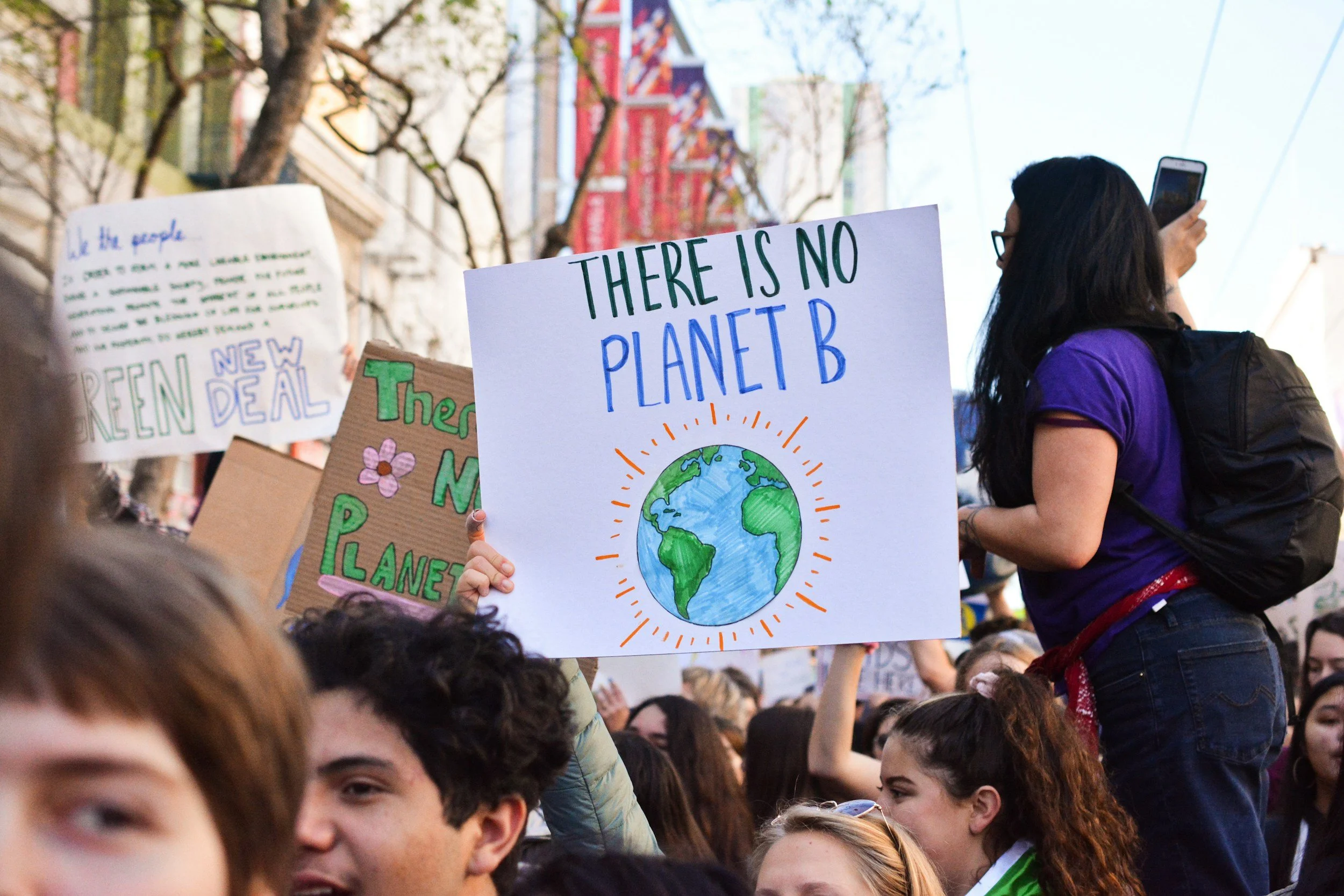
A couple years ago I read “A Kids Book About Climate Change” and it blew me away. Yes, it's a kids book, and yes it will take you 10 mins to read! But let me share my thoughts.
The book gets good when it says climate change isn't fair to those who didn't cause it: kids. And it stole my heart when it said climate change hurts some people more than others. It emphasizes how people with less money or resources are hurt more by climate change. I don't know about you, but that's something my elementary school teachers never mentioned.
It also teaches that we all have a right to clean water, clean air, and to live on a healthy planet. Amen.
All this climate crisis talk has got me pumped to teach kids yoga with a climate crisis theme. You can catch one of our most popular kids yoga classes on Stopping Climate Change (for ages 4-12) here.
In this class we explore:
What is climate? And how can we tell that it’s changing?
Who is most impacted by a changing climate?
And what can we DO to stop climate change?
We often think of yoga as a practice that we do on a mat, moving our bodies. But yoga also gives us philosophical guidelines for how we can live OFF of our mats. And taking action to stop harm to people, creatures, and the planet, from the effects of climate change falls squarely under the box of ahimsa - a yogic principle that translates roughly to “non-harming” or “non-violence.”
Here are the three big new ways to help stop climate change that I learned from “A Kids Book About Climate Change:”
Protecting Indigenous People's rights - Indigenous people are less than 5% of the global population, and protect 80% of life on Earth! Fighting for them means fighting for Earth.
Educating women - this simple endeavour is one of the greatest and most effective way of solving the climate crisis! There are endless stories of women making ginormous positive impacts on Mama Earth.
Inventing new technologies that don't hurt the planet - countries all over the world are figuring out new ways to take CO2 out of the air! This is just one way to help our beautiful Earth.
What are some ways you can take your yoga practice out into the world to stop climate change? Remember, we all make a huge difference when we take small steps together.